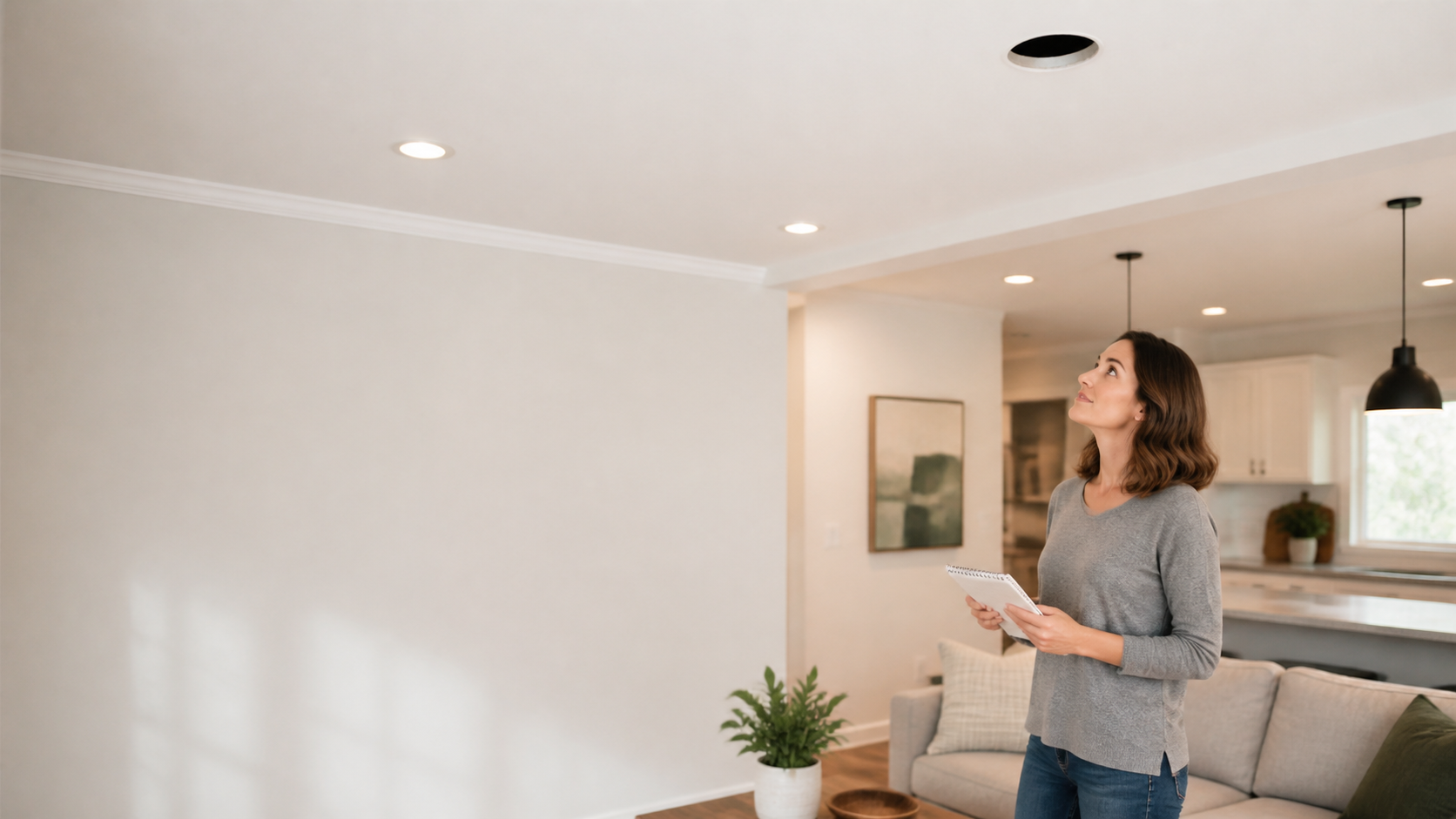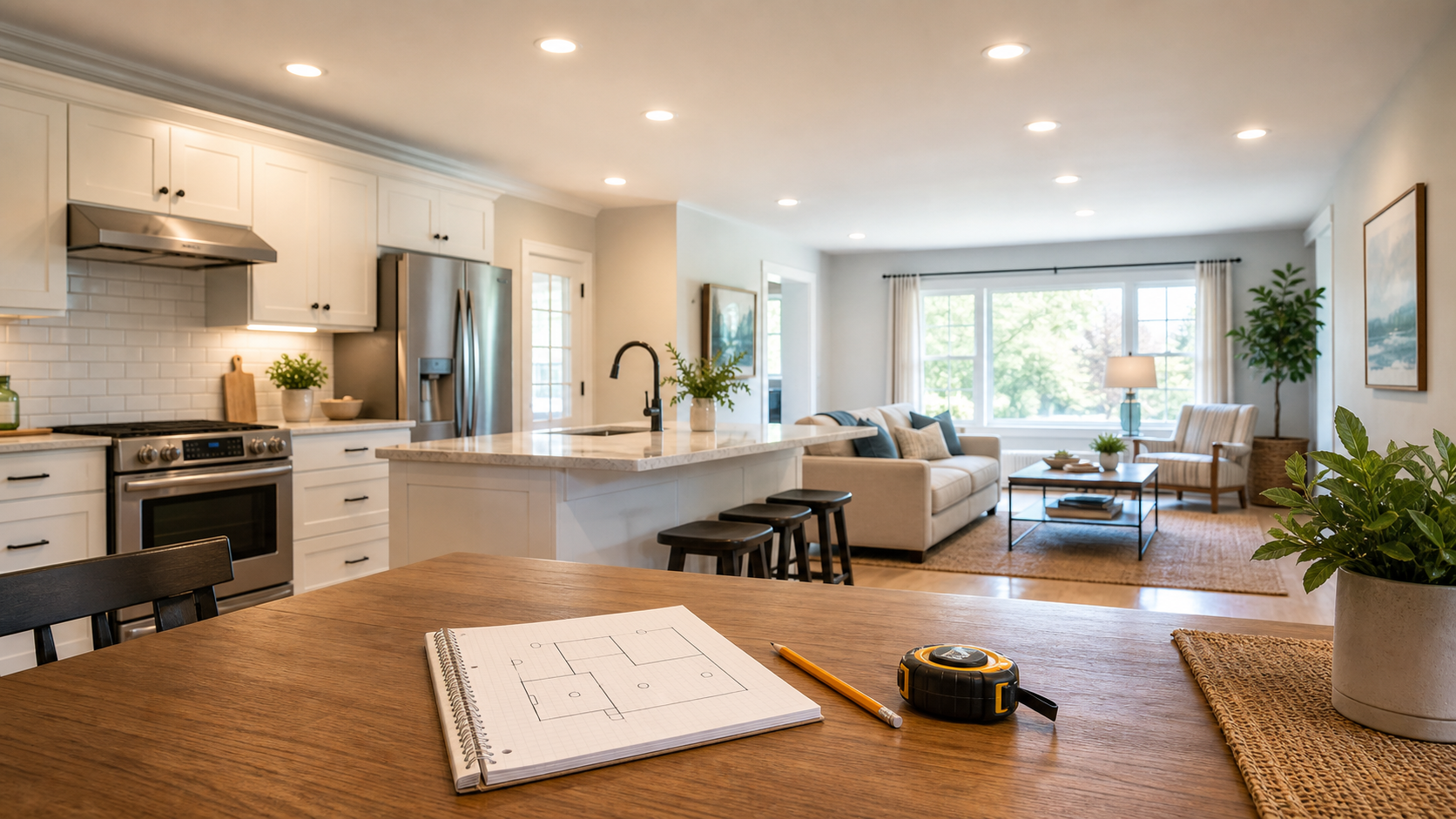






Choosing a recessed light is not only about brightness or trim style. The color of the light can change how a kitchen, bedroom, hallway, or work area feels throughout the day. A 5CCT option can be useful when you want to choose from several color-temperature settings, but the best setting depends on the room, its finishes, and the kind of activity that happens there.
Quick Answer
For many homes, warmer light is considered for relaxing rooms, while more neutral or daylight-like light may suit task-oriented spaces. Start with the mood you want, then compare the available settings in the specific product documentation before you buy. There is no single color temperature that is right for every room or every homeowner.
What Does 5CCT Mean?
CCT means correlated color temperature. It describes whether white light looks warmer, more neutral, or more daylight-like. A 5CCT recessed light is designed to offer five selectable color-temperature options, but the exact options and how they are selected can vary by product.
Before ordering, review the product page and installation documentation for the available settings and the approved selection method. This guide explains the general decision process; it does not replace product-specific instructions.
Color Temperature Planning Checklist
| What to consider | Why it matters | What to do before buying |
|---|---|---|
| Room purpose | Rest, dining, cooking, grooming, and focused work often call for different visual moods. | Name the main activity you want the room to support. |
| Existing finishes | Warm wood, white walls, stone, paint, and fabric can change how the same light appears. | Look at the room in daylight and at night before choosing a direction. |
| Open-plan sightlines | Adjacent rooms can look disconnected when their lighting feels very different. | Consider a consistent starting point across connected spaces, then adjust where needed. |
| Task needs | Prep areas, vanities, and work surfaces may need a cleaner-looking light than lounge areas. | Decide where visual clarity matters most. |
| Product settings | A product's selectable range and control method are product-specific. | Confirm the actual settings in the PDP and instructions before ordering or installing. |
A Practical Starting Point for Each Light Feel
2700K: Warm and Cozy
2700K is often used when the goal is a warm, relaxed feeling. It can be a starting point for bedrooms, living rooms, and other spaces where you want the lighting to feel less crisp after dark. If your room has warm wood or softer finishes, this direction may feel more cohesive.
3000K: Soft Warm Everyday Light
3000K is commonly preferred for an everyday warm-white look. Many homeowners consider it for living areas, dining spaces, and kitchens where they want warmth without an especially amber appearance. Your wall color and existing fixtures can still make the result feel warmer or cooler than expected.
3500K: Balanced Neutral Light
3500K can work well as a balanced middle ground. It may be worth considering in hallways, kitchens, or multipurpose rooms where the same space is used for both everyday life and focused tasks.
4000K: Clean, Task-Oriented Light
4000K is often considered for a cleaner-looking, more task-oriented feel. Some homeowners prefer this direction for work areas, utility spaces, or kitchens; others find it too cool for evening living spaces. Compare it against the finishes and daylight level in your own room.
5000K: Brighter Daylight-Like Feel
5000K can create a brighter daylight-like impression. It may suit certain work-focused or utility settings, but it is not automatically the best choice for every home. Consider how the room is used after sunset as well as during the day.
Mid-Article CTA: Compare Your 5CCT Retrofit Options
If you already know your preferred light direction, browse the JOLUX Retrofit Can Light collection. For the 5CCT product path, review the product page and its current documentation before you order.
How to Keep an Open Layout From Feeling Mismatched
An open kitchen, dining area, and living room do not necessarily need one identical setting everywhere. Start by deciding which area is the visual anchor. Then compare the rooms together in the evening rather than choosing each room in isolation. A small difference may feel intentional; a large difference can make the rooms feel disconnected.
If you are replacing existing recessed lights, the physical fit decision is separate from the color decision. First make sure the retrofit path suits your existing ceiling setup, then choose the color-temperature direction. The retrofit fit guide and the JOLUX Q&A can help you organize those checks.
When 5CCT May Not Be the Only Decision You Need to Make
Color temperature is only one part of the purchase decision. Before you choose a recessed retrofit option, also check the existing can size, socket arrangement, trim and ceiling condition, dimmer documentation, and the product's intended-use information. Ceiling setups vary, and product guidance should be reviewed before installation.
If you are uncertain about wiring, housing condition, or the right product for the setup, pause before forcing a fit and consult a qualified professional or JOLUX support guidance.
FAQ
Is 3000K or 4000K better for a kitchen?
Neither is universally better. 3000K is often chosen for a softer, warmer everyday feel, while 4000K may feel cleaner for task-oriented use. Compare the room's finishes, daylight, and evening use before deciding.
What does 5CCT mean on a recessed light?
It generally means the product offers five selectable color-temperature settings. Check the specific product page and instructions for the exact range and how the selection is made.
Can I change the color temperature after installation?
That depends on the product design and installation instructions. Do not assume the setting can be changed in the same way across different products; review the documentation first.
Which color temperature is best for a bedroom?
Many homeowners start with a warmer direction for a relaxed bedroom feel. Personal preference, wall color, and other bedroom lighting can change the result, so treat this as a starting point rather than a rule.
Will a dimmer change the color temperature?
Dimmer behavior and color-temperature behavior are separate product questions. If you plan to use a dimmer, review the product documentation and compatible dimmer guidance before buying.
Should I choose color temperature before checking retrofit fit?
Plan both, but confirm the physical fit first. Check the existing can, socket position, trim space, and product guidance so the desired lighting choice is attached to a compatible product path.
Choose Your Next Step
Start with the JOLUX Retrofit Can Light collection to compare available options. If you are not sure about fit, selection method, or dimming, use the JOLUX Q&A before ordering. Review the current product documentation and consult a qualified professional if your ceiling or wiring setup is unclear.